Clipping
Starts with long-form or campaign source
Clipping guide 02
Clipping rebuilds approved existing source material. UGC-style content is usually created as a new, native-feeling asset around a product, experience or message. Neither format guarantees performance.
Starts with long-form or campaign source
Starts with a creator-style concept or demonstration
Uses both when rights and scope support it
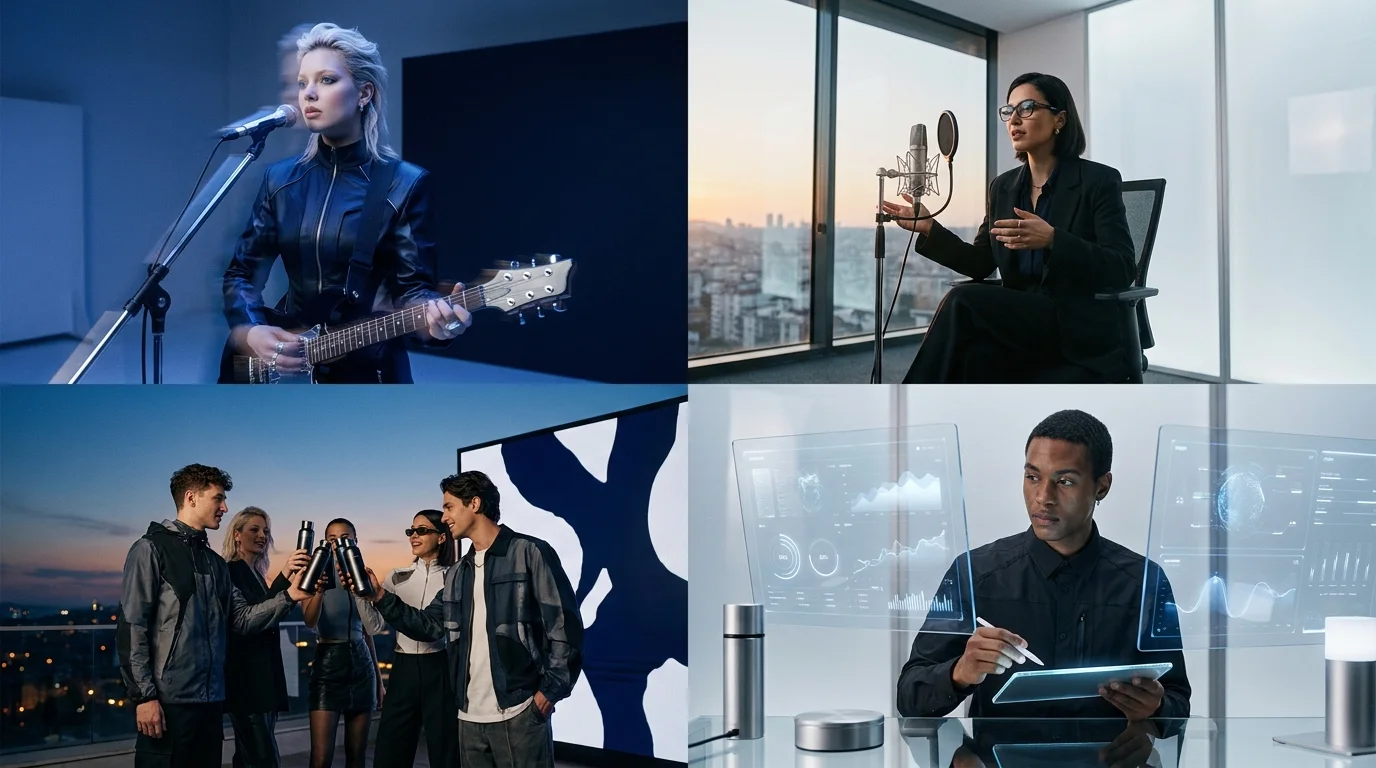
Use clipping when valuable expertise, stories, interviews, demos or talks already exist and you want to distribute the strongest moments without producing every asset from scratch.
Use UGC-style creative when the concept needs a fresh product demonstration, testimonial-style structure, problem-solution narrative or creator perspective. Claims and disclosures still require approval.
A campaign might clip a founder interview while separately producing native demonstrations. Keep source rights, usage terms, disclosures, creator permissions and measurement distinct in the written scope.
Start with your source, rights and objective.